EMI and EMC Engineering Studies
EMI and EMC Modelling and Engineering Solutions for Critical Electrical Systems
EMI and EMC Engineering Studies
EMI and EMC Modelling and Engineering Solutions for Critical Electrical Systems
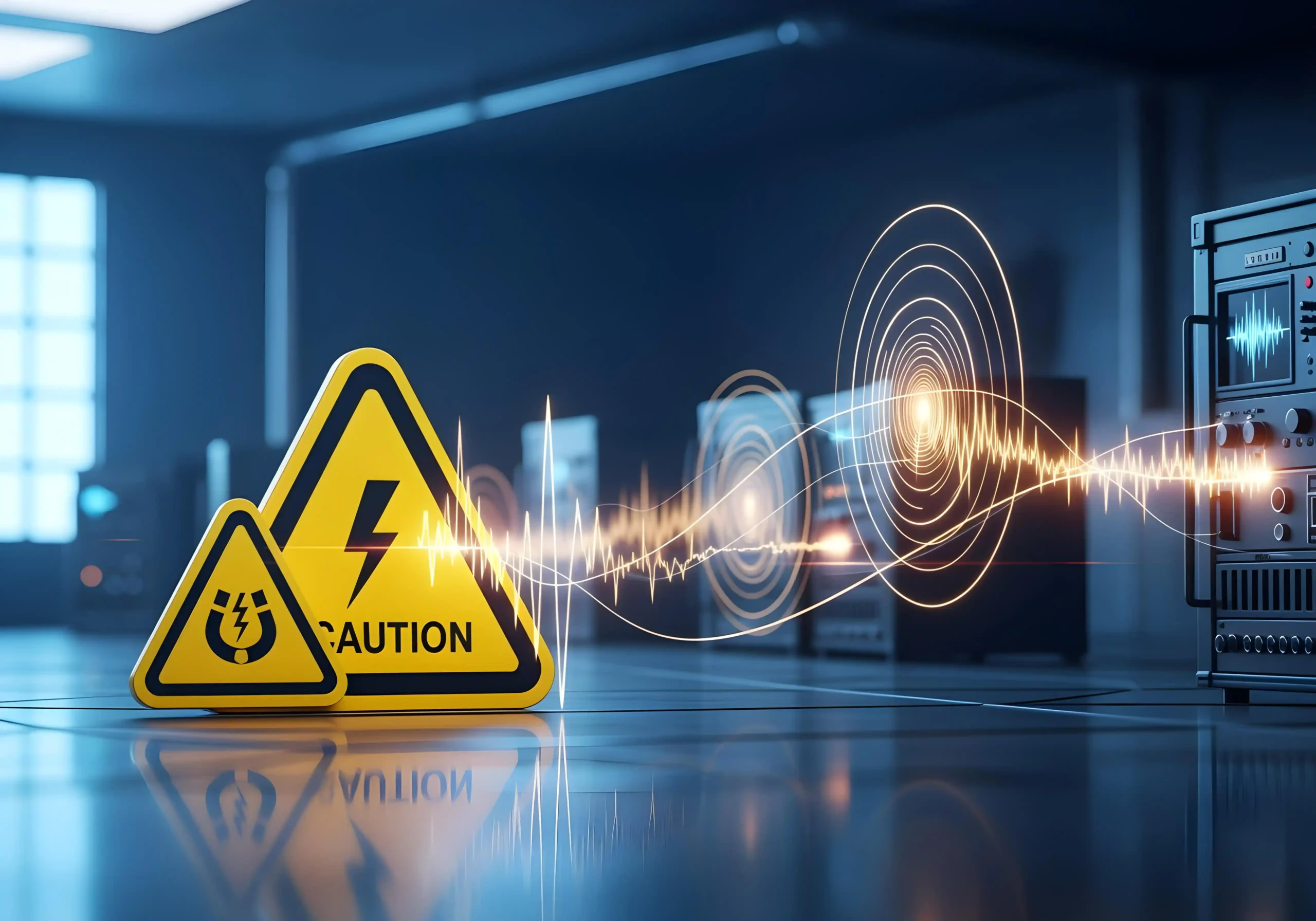
In today’s world, electrical systems uses electronic controls, automation, sensors, and communication devices that operate very close to each other. EM (Electromagnetic) management is the practice of ensuring that these systems can work together without disturbing one another. It involves controlling unwanted electrical noise, managing electromagnetic effects from power equipment, and protecting sensitive electronics so that systems operate smoothly, reliably, and safely under real working conditions.
Manav integrates EMI and EMC engineering with earthing, bonding, lightning protection, and power system studies to ensure that electrical, control, and communication systems operate reliably, enabling timely fault detection, coordinated protection, and safe energy dissipation—key elements in achieving near-zero electrical fire incidents.
EM Management Matrix
Building a Resilient Electrical Environment
When EM Management is applied as an integrated system, rather than isolated checks, the electrical environment transitions from being reactive and failure-prone to predictable, and resilient. This controlled electromagnetic environment ensures that fault detection, protection operation, and human response occur as intended, directly supporting Manav’s objective of preventing electrical fires at source while enhancing overall asset reliability.
What Manav Can Offer?

Integrated expertise across power systems, earthing, lightning protection, and EMC

Field-driven approach focused on real-world industrial environments

Standards-aligned engineering

Actionable outputs – clear mitigation plans
Outcome for Clients
Reduced equipment failures and false operations
Improved reliability of protection, control, and communication systems
Enhanced compliance with international EMC requirements
Lower risk of downtime and safety incidents
Industries We Serve


Oil & Gas, Process Industries,
& Heavy Manufacturing
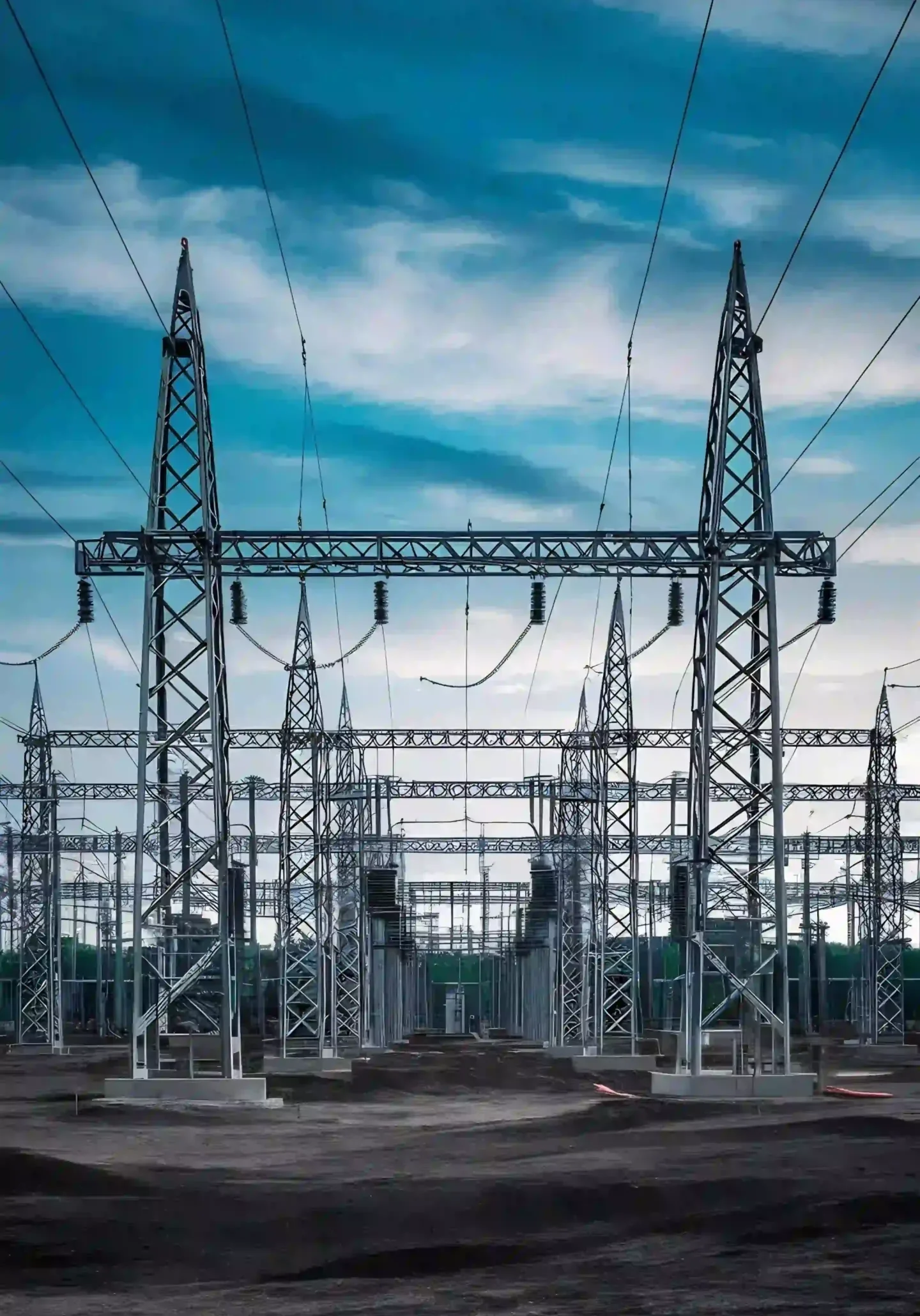
Transmission & Distribution Substations
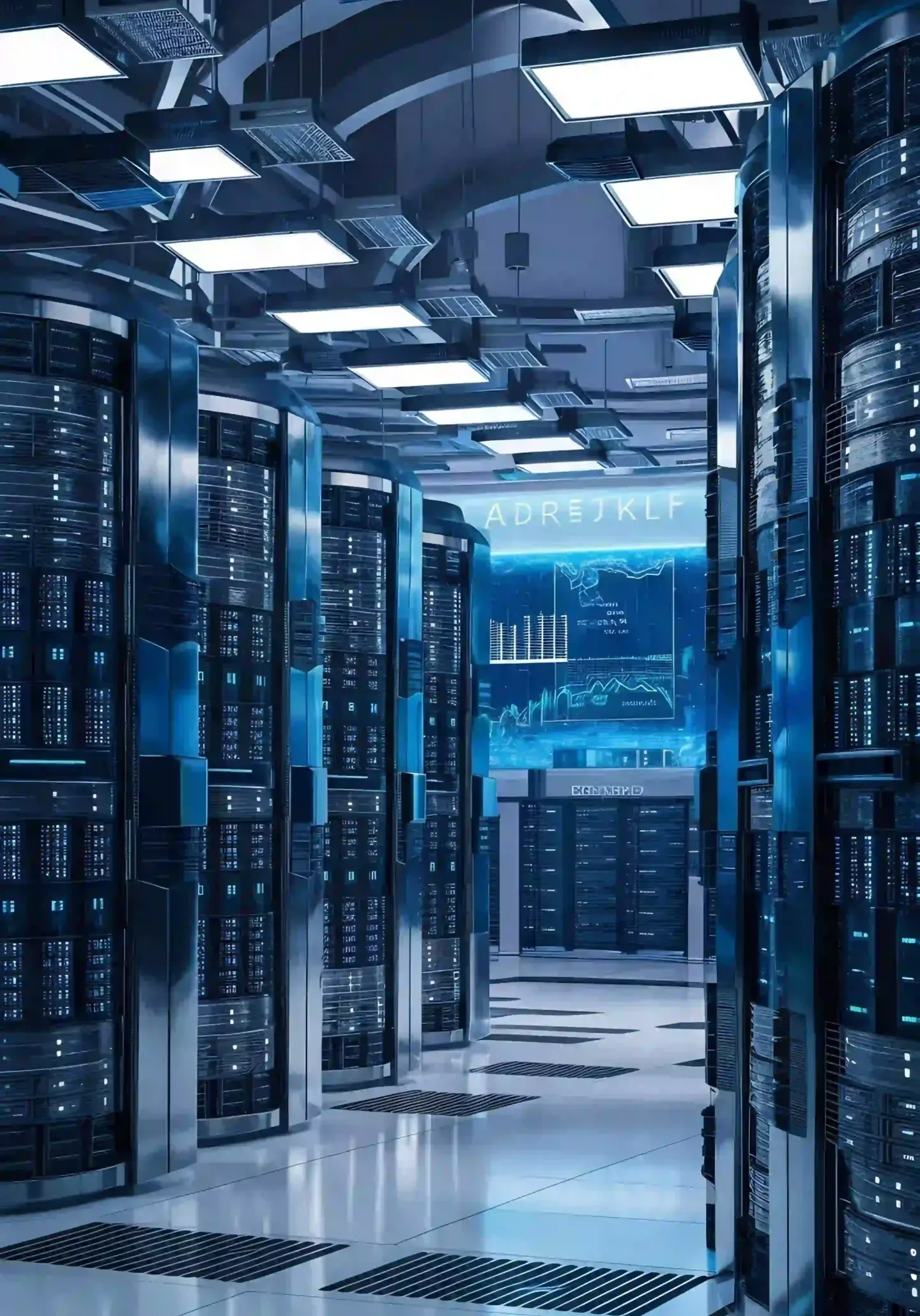
Data Centers & Mission-critical Facilities
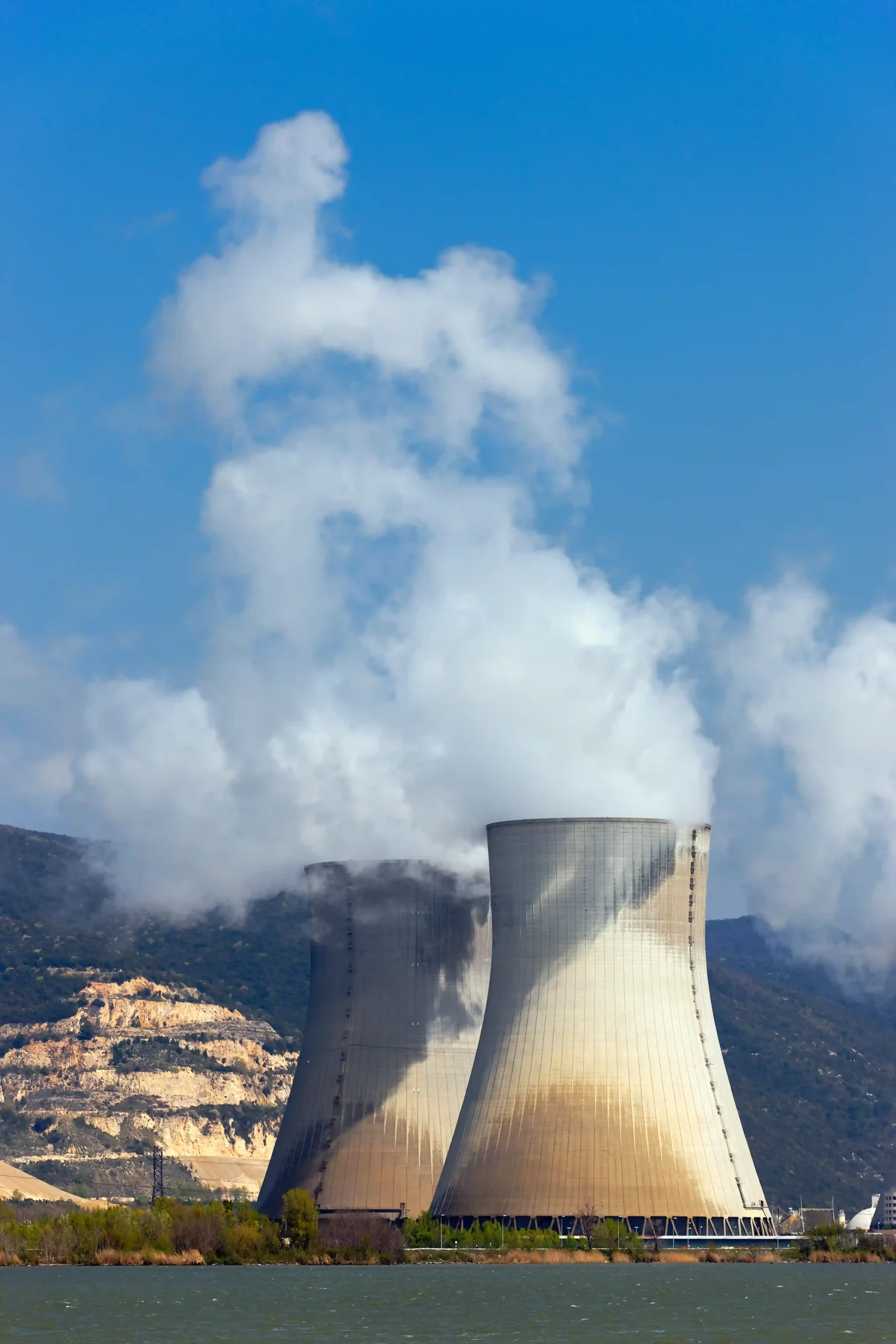
Power generation (Thermal, Renewable, Hybrid Plants)
Infrastructure, Railways, & Utilities
Frequently Asked Questions
EMI/EMC should be addressed during the early design and engineering stage of a project. Considering it early allows proper grounding, layout, and cable segregation at minimal cost. Ignoring EMI/EMC until commissioning leads to costly rework, delays, equipment malfunctions, and long-term reliability issues.
EMI can be reduced without extra cost by proper equipment layout, separating power and control cables, minimizing cable loop areas, crossing cables at 90°, ensuring effective grounding and bonding, correct shield termination, and keeping noisy equipment like VFDs away from sensitive control and communication systems.
Major EMI sources in industrial plants include VFDs and soft starters, UPS and SMPS units, inverters, welding machines, large motors, switching devices, circuit breakers, PLC power supplies, and high-speed digital communication equipment, especially those using fast switching semiconductor devices such as IGBTs.
Modern IGBT-based drives generate more EMI because they use high switching frequencies and very fast voltage rise times (high dv/dt). These rapid transitions create wide-band electromagnetic noise that easily couples into nearby cables and equipment, unlike older drives with slower switching and lower frequency operation.
We’re Just a Form Away !